06 / Photography & Imagery
Photography & Imagery
Photography is the brand’s loudest tool. Spent badly, it makes us look like a stock-photo coworking. Spent well, it makes us look like ourselves.
Principles
Four rules that make a photo ours.
- 01 — Daylight first. Default to natural light. Window light, golden hour, pre-dawn mist. Skip the LED-soaked office shot.
- 02 — Show the work, not just the worker. Open notebooks, a hand on a mug, the second monitor with something specific on it. Empty desks read as showroom; we’re a workspace.
- 03 — Place is a character. Window views of Main Street, the lake, the trees. The brand fails when the photo could have been shot anywhere.
- 04 — Quiet beats busy. One or two people, never a crowd. Two coffees, never a tray of ten. A composition the eye can rest on.
Workspace imagery
Spaces in use, not on display.
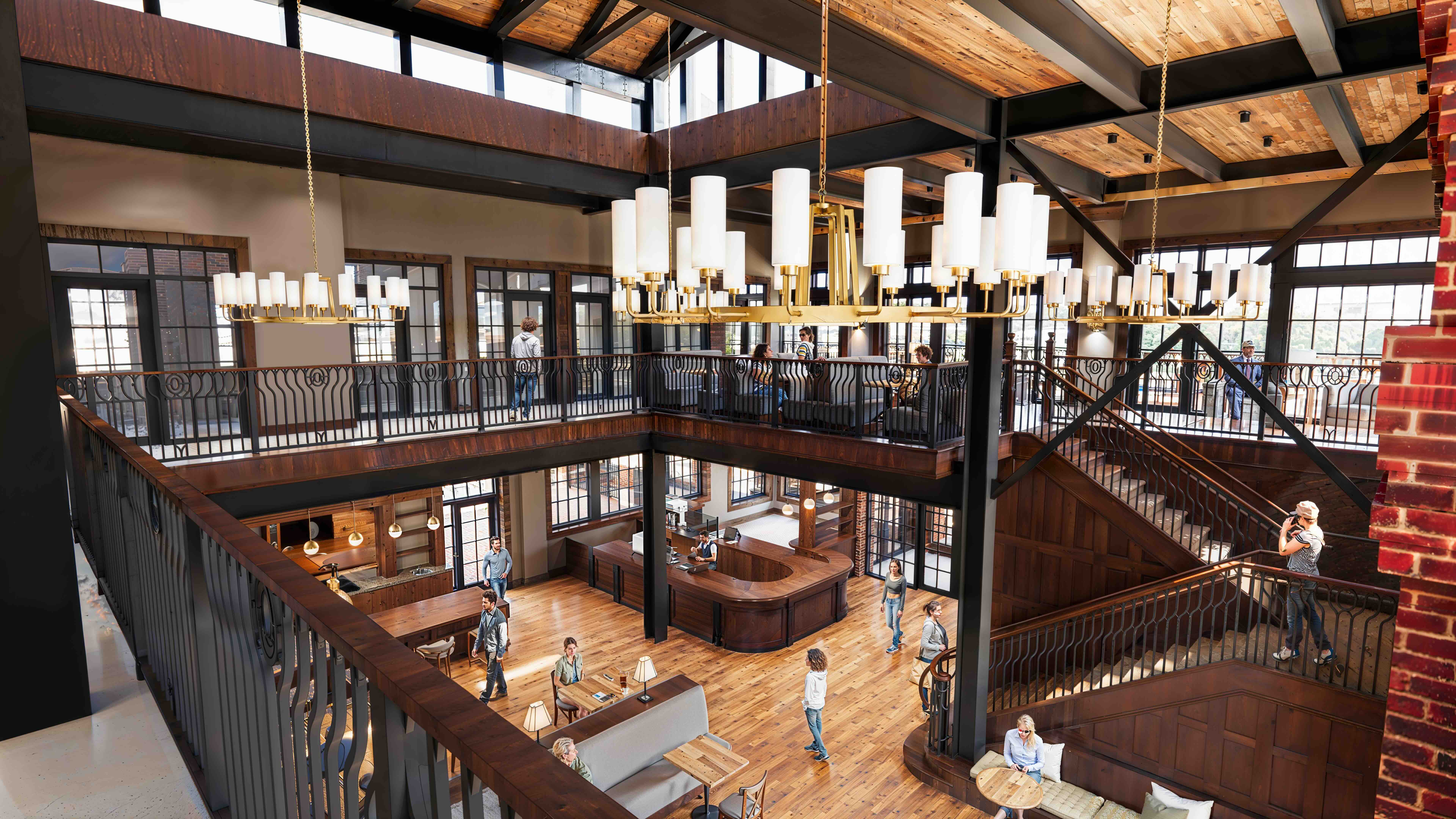
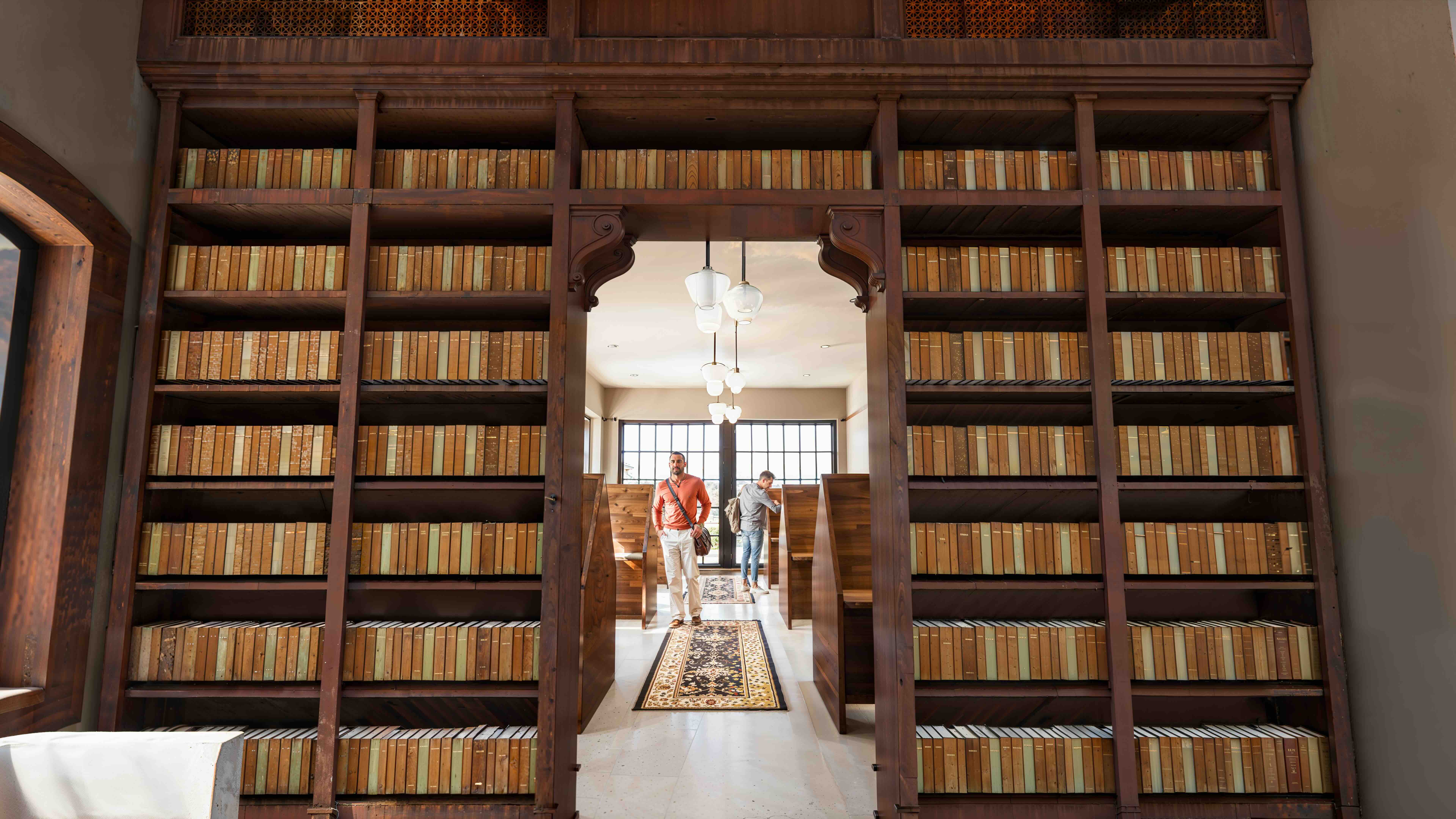
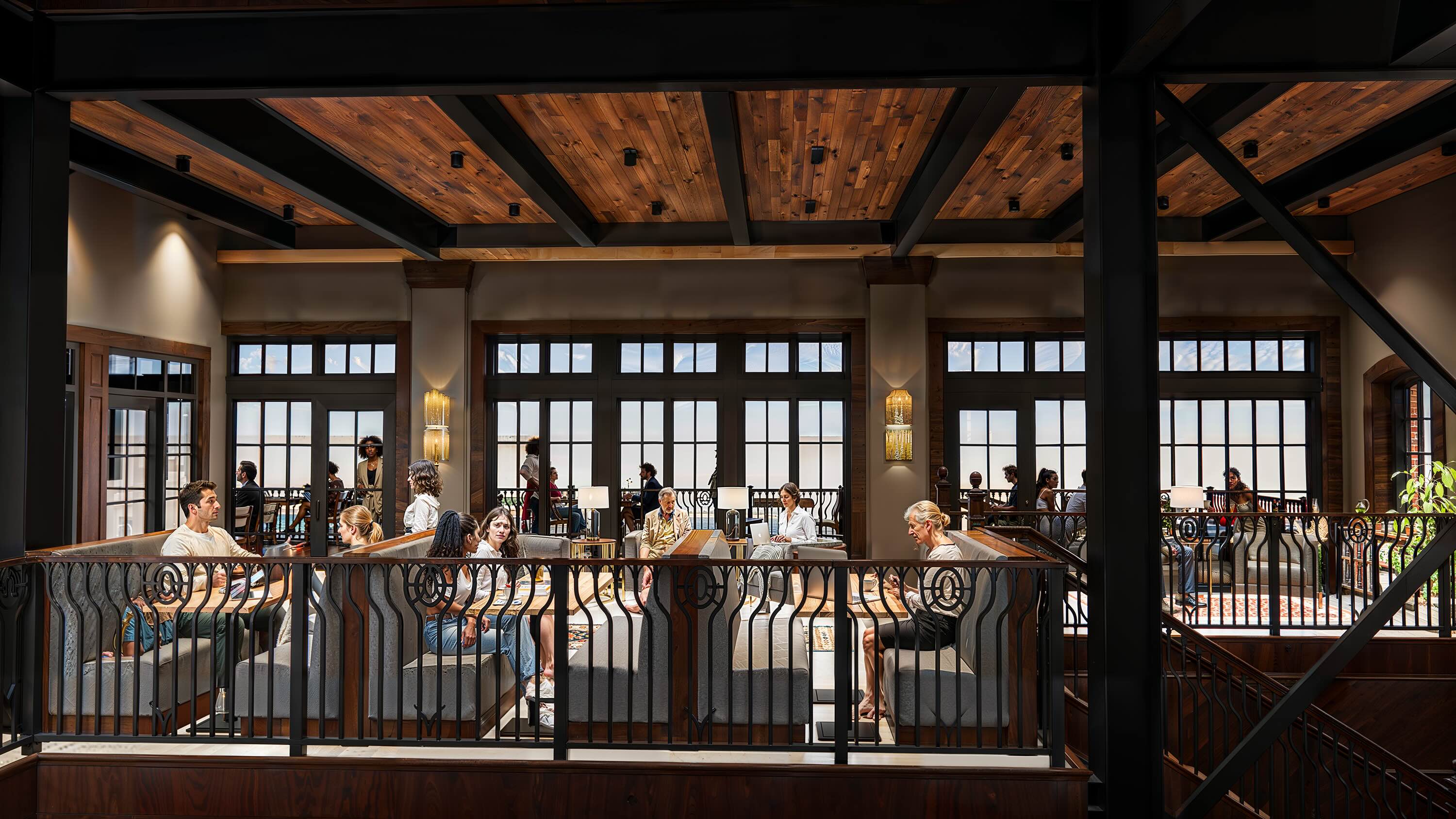
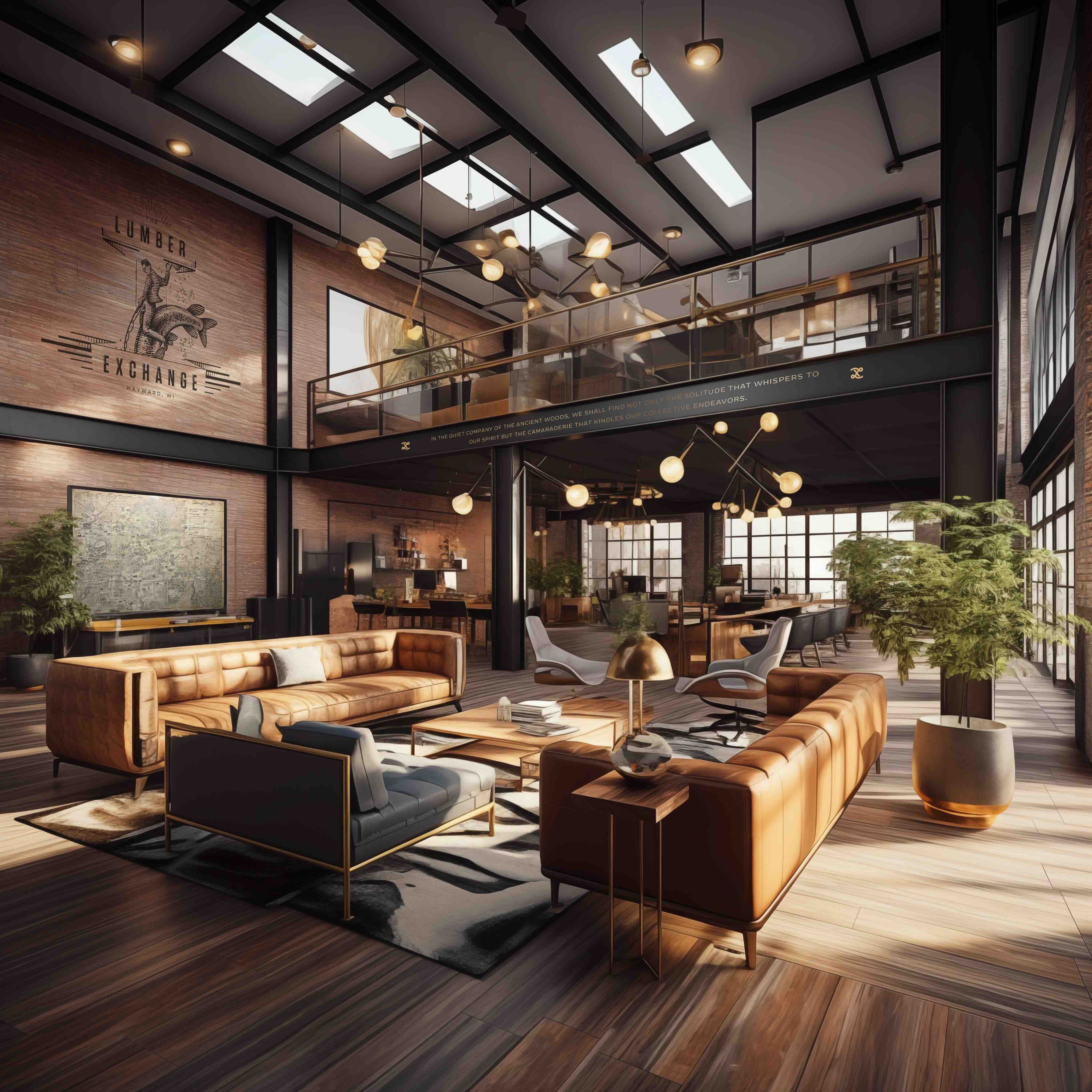
Photograph rooms as they are used — books open, jackets on chairs, a coffee on the table. Wide-angle reveals the architecture; medium-tight reveals the personality. Both belong.
Hospitality & coffee
Steam, ceramic, and morning light.
The coffee program is the brand’s warmest physical moment. Photograph it like a boutique hotel’s café — with steam, hand-poured ritual, and the long horizontal light of early morning. Avoid mug close-ups that could be any coffee shop.
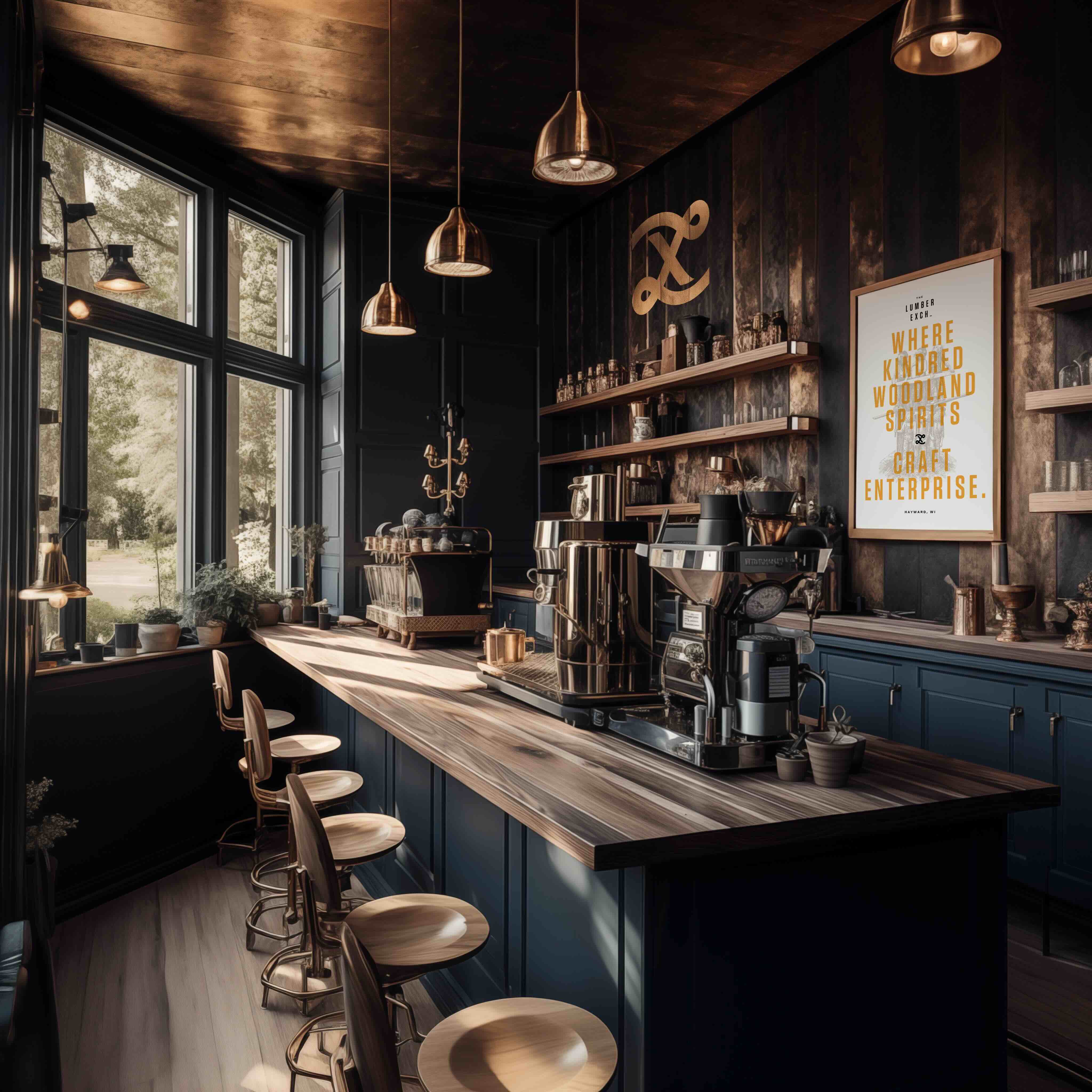
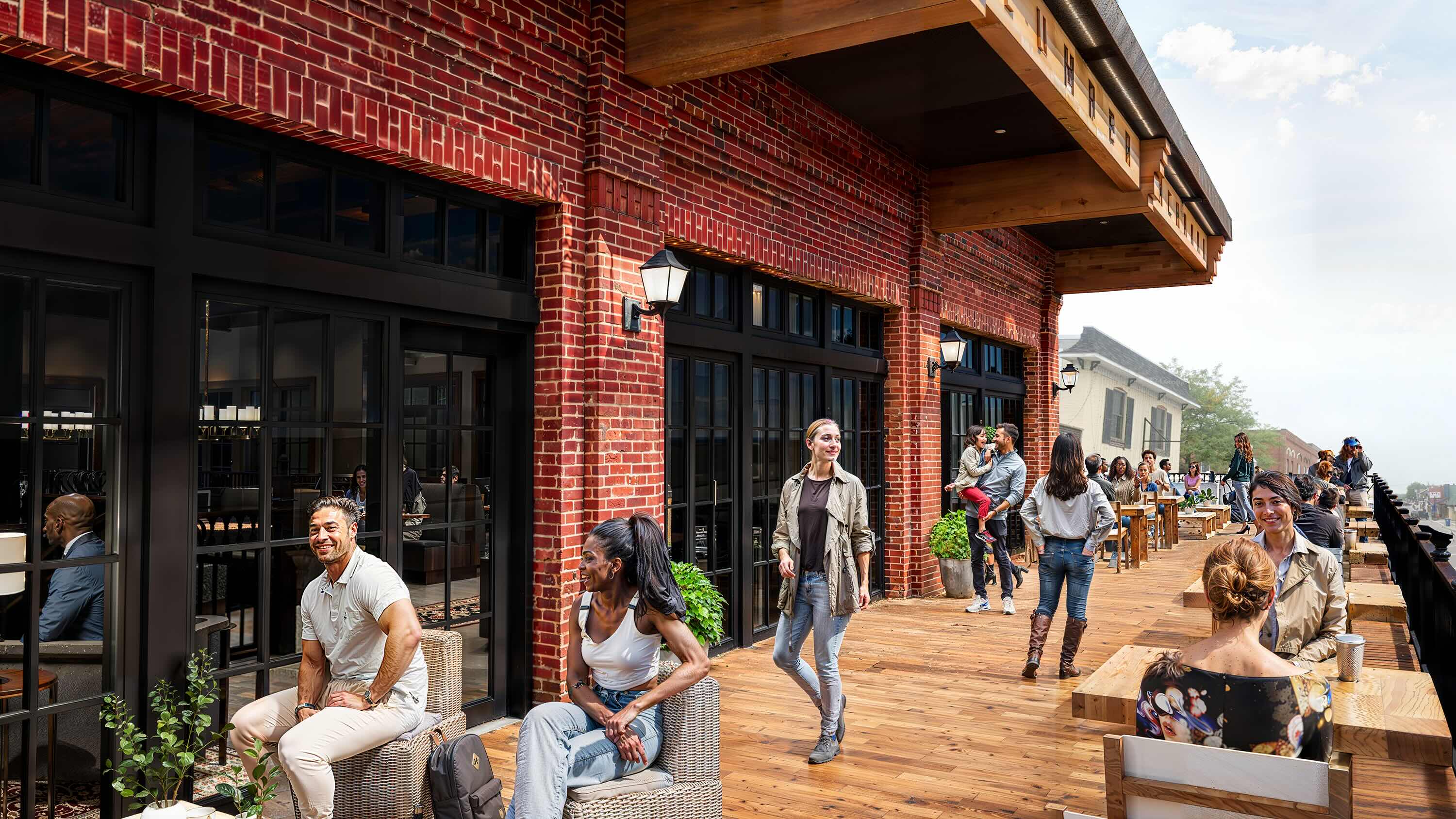
Place — Main Street, Hayward, Northwoods
A photograph an outsider couldn’t fake.
Every campaign should include at least one place photograph that grounds us. The building from across the street. The Namekagon River in mist. The lake at first light. A trail covered in fresh snow. Place imagery is what stops a viewer from mistaking us for a national brand.
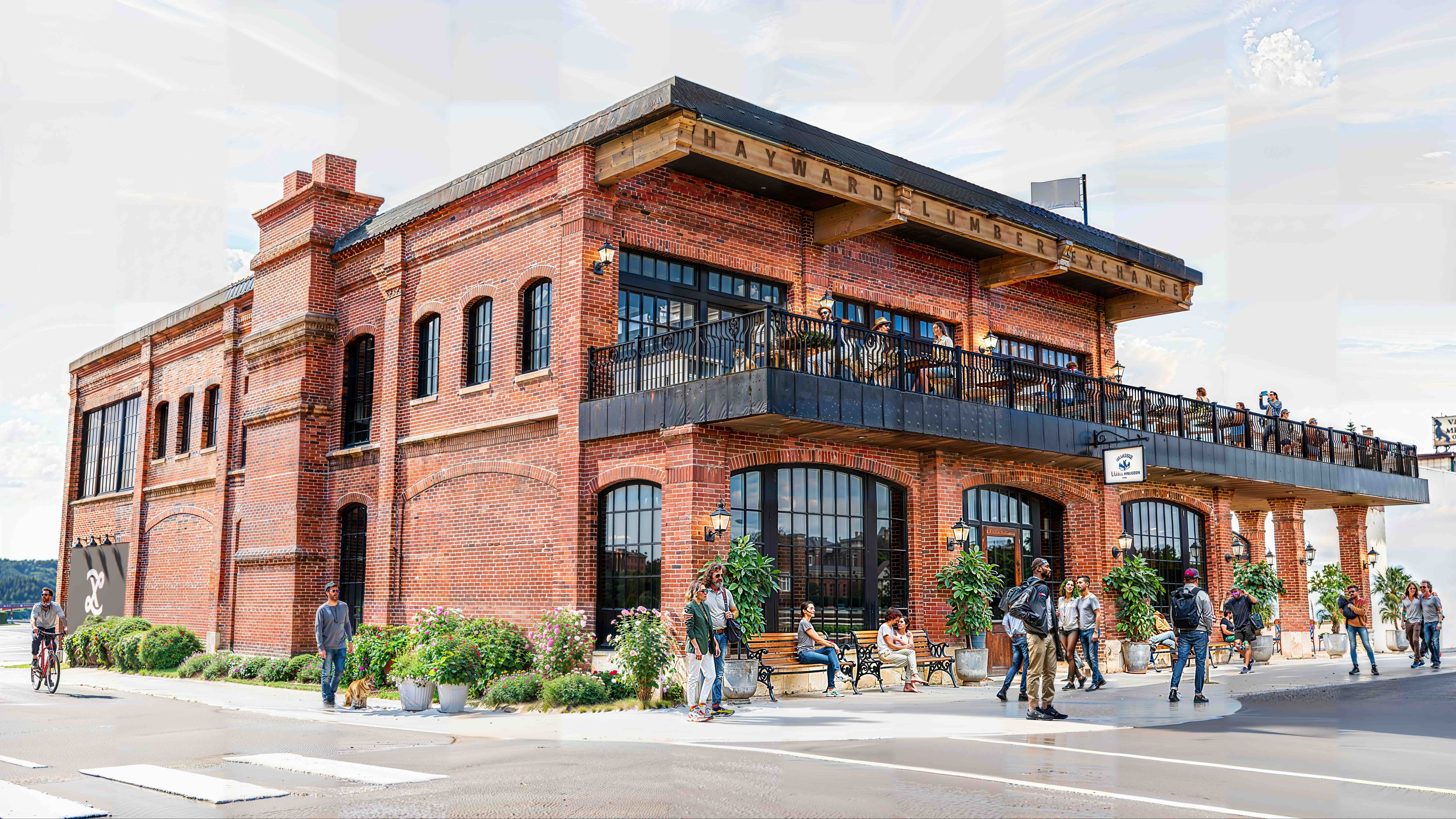
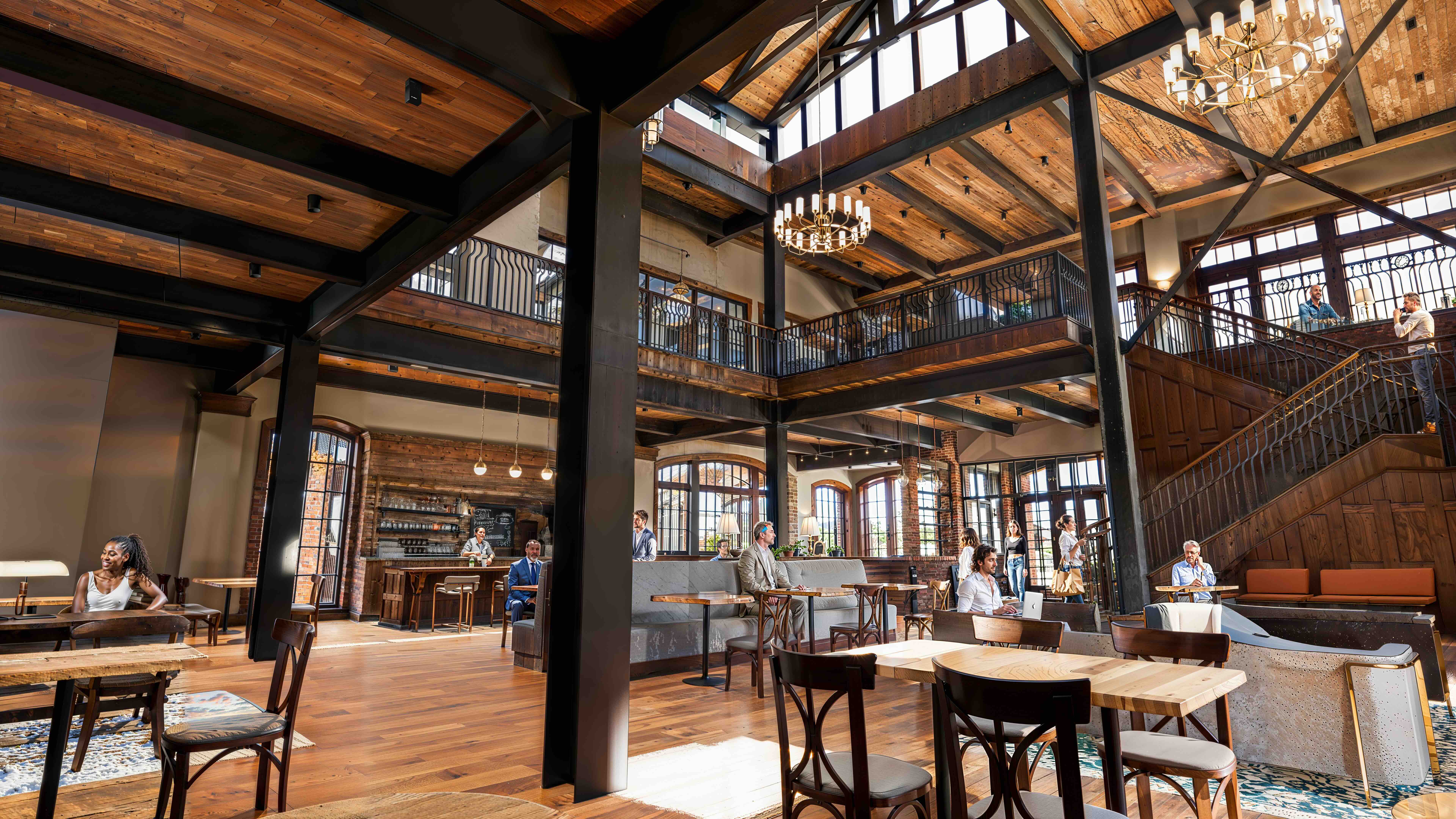
Heritage library
Three collections that can’t be faked.
These are the brand’s historical assets — newsprint, artifacts, and a hand-drawn map — sourced from the Sawyer County Museum and shot specifically for The Lumber Exchange. They’re the parts of our visual language that nobody else can produce. A new agency can copy a layout. They can’t copy a hundred-year-old map. Together, these three collections give the brand decades of story to draw from.
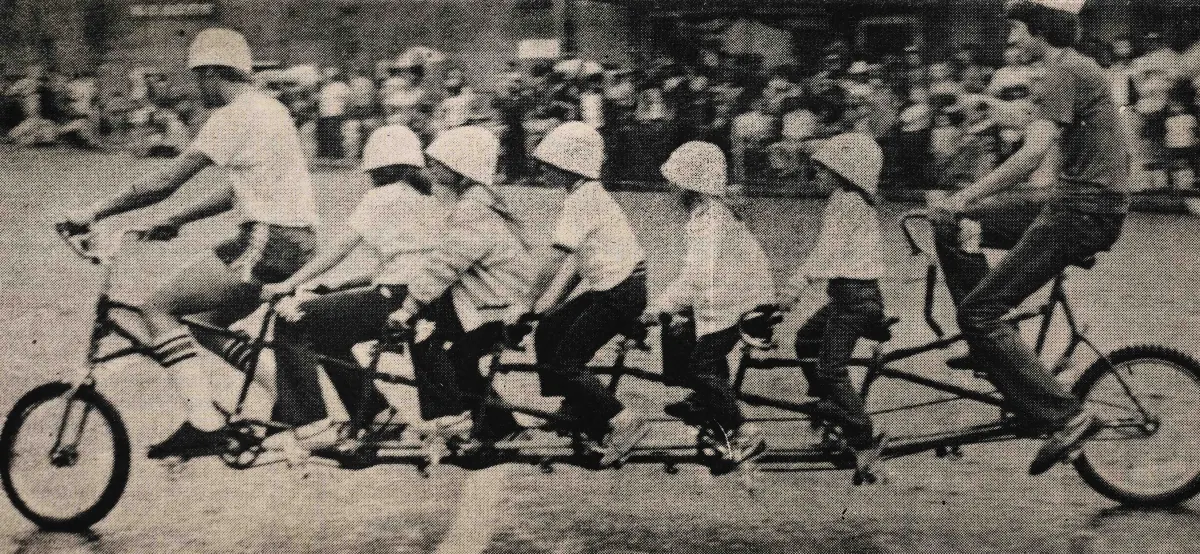
Heritage · 01 — Newsprint
The dot matrix is the brand’s secret.
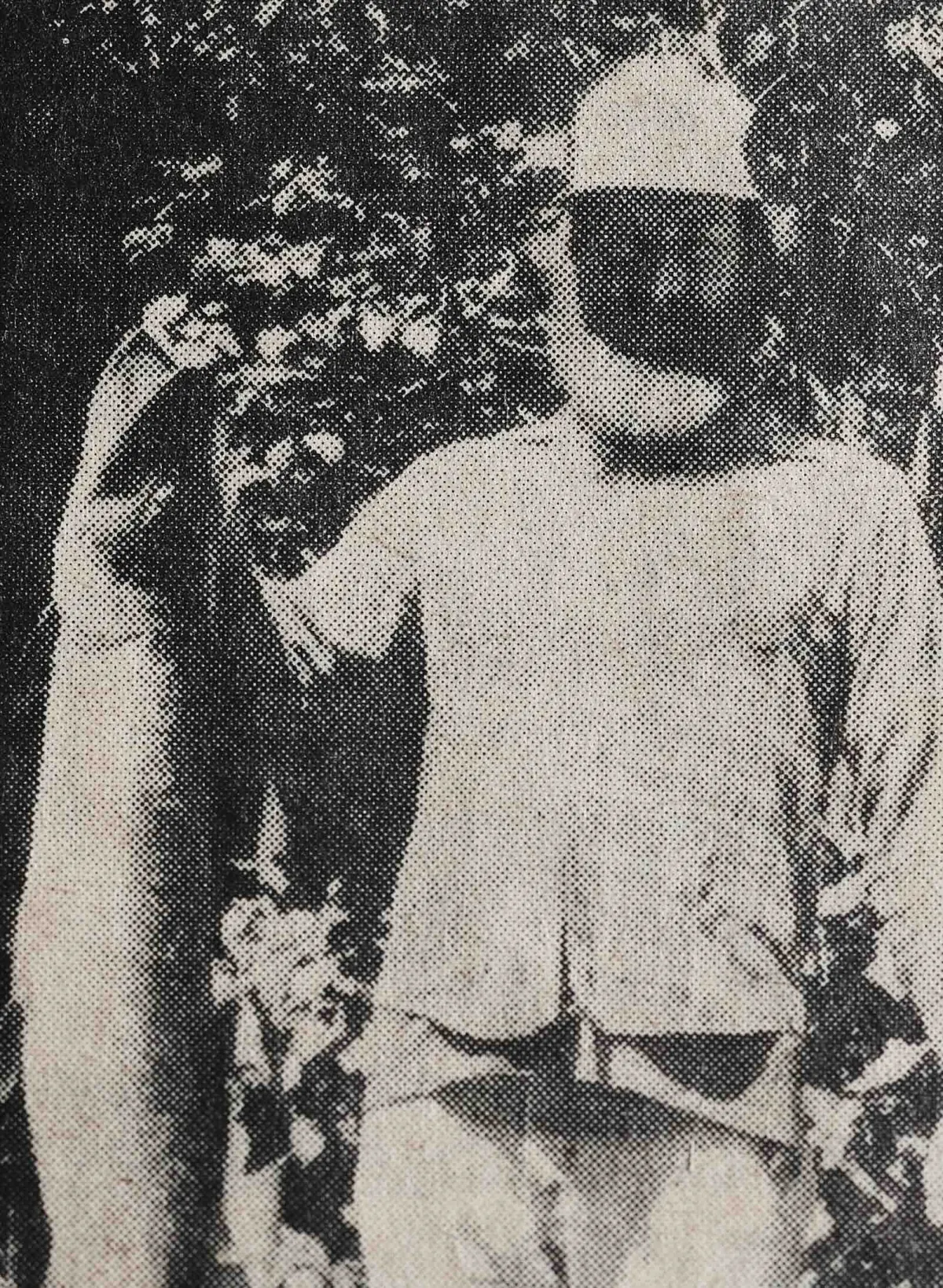
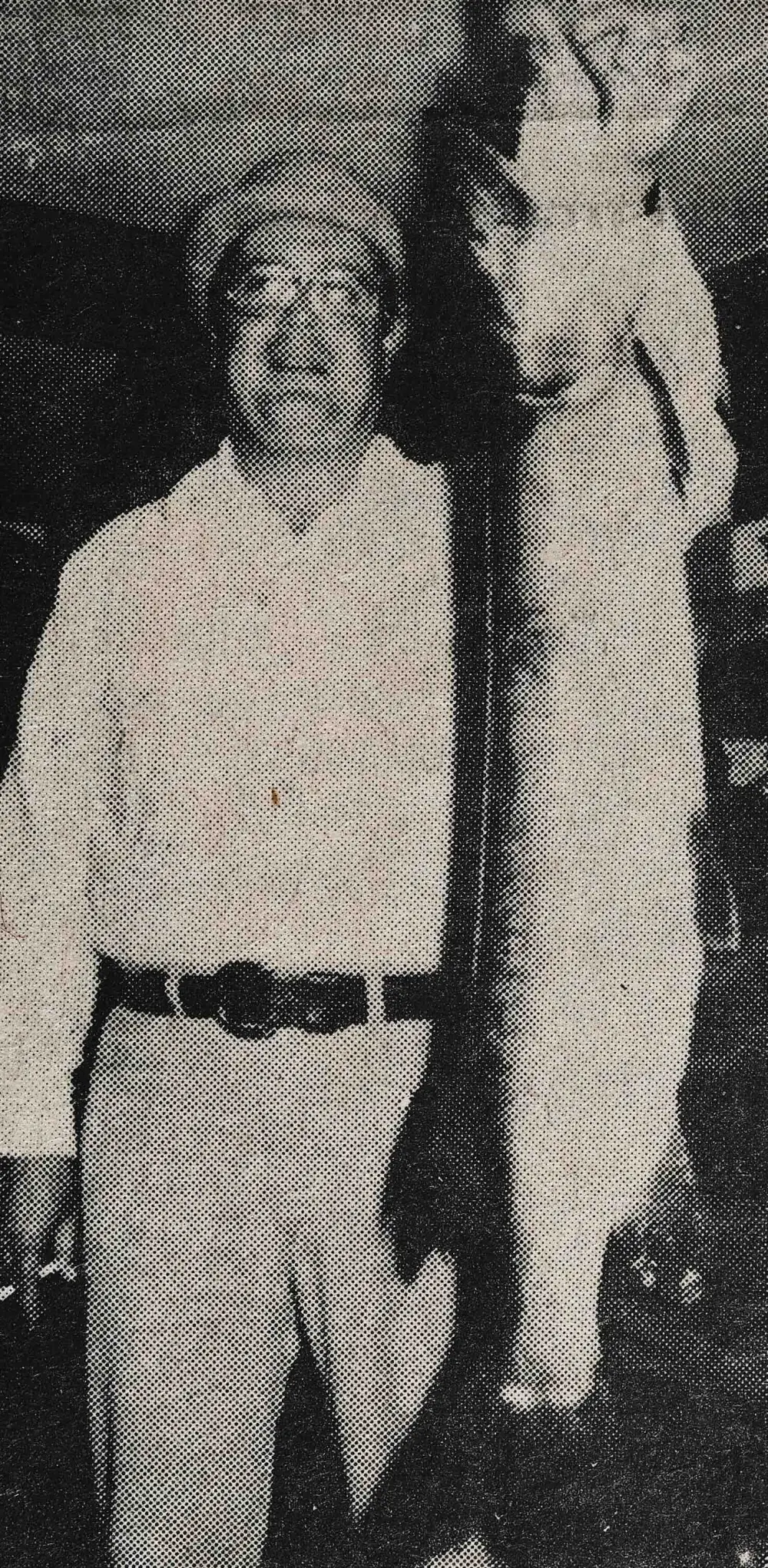
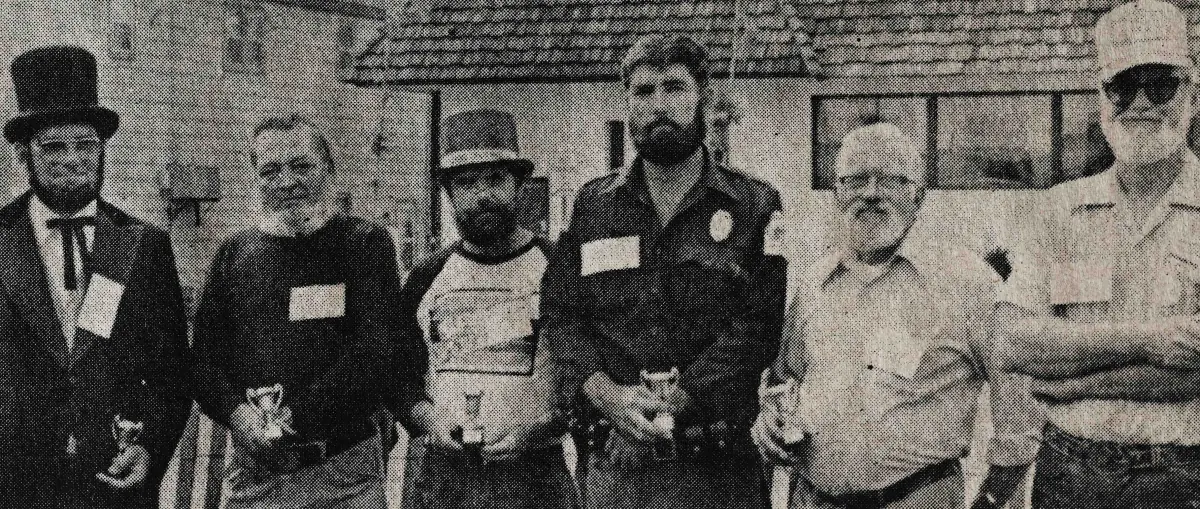
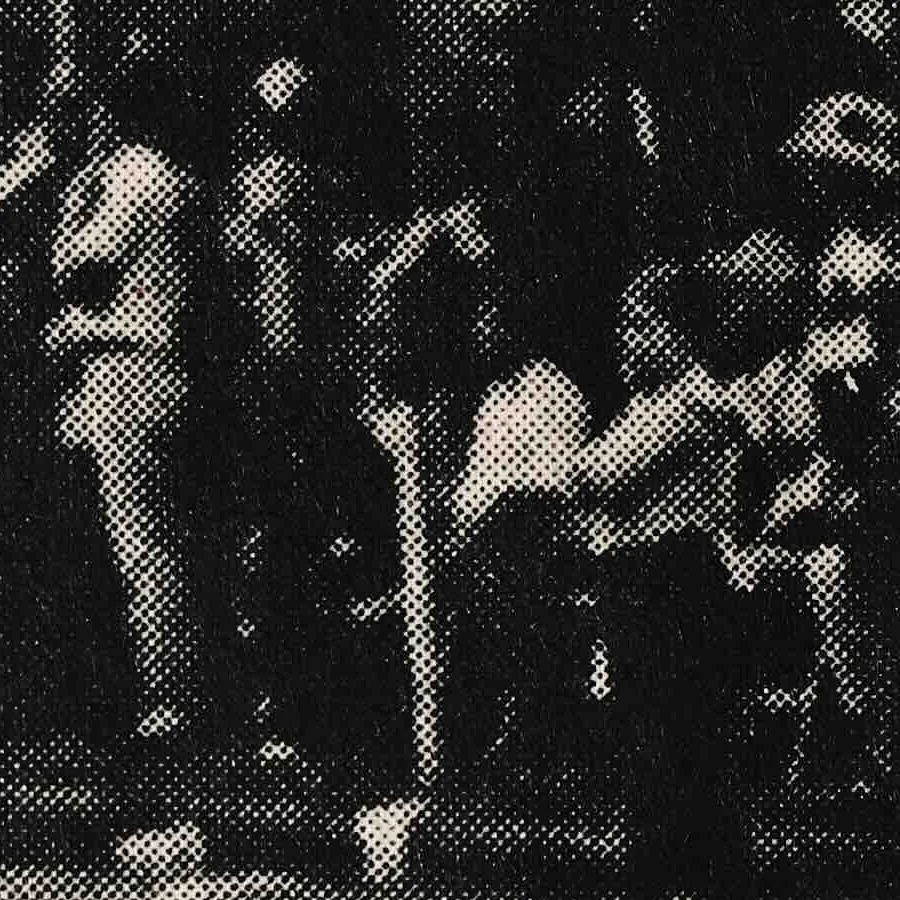
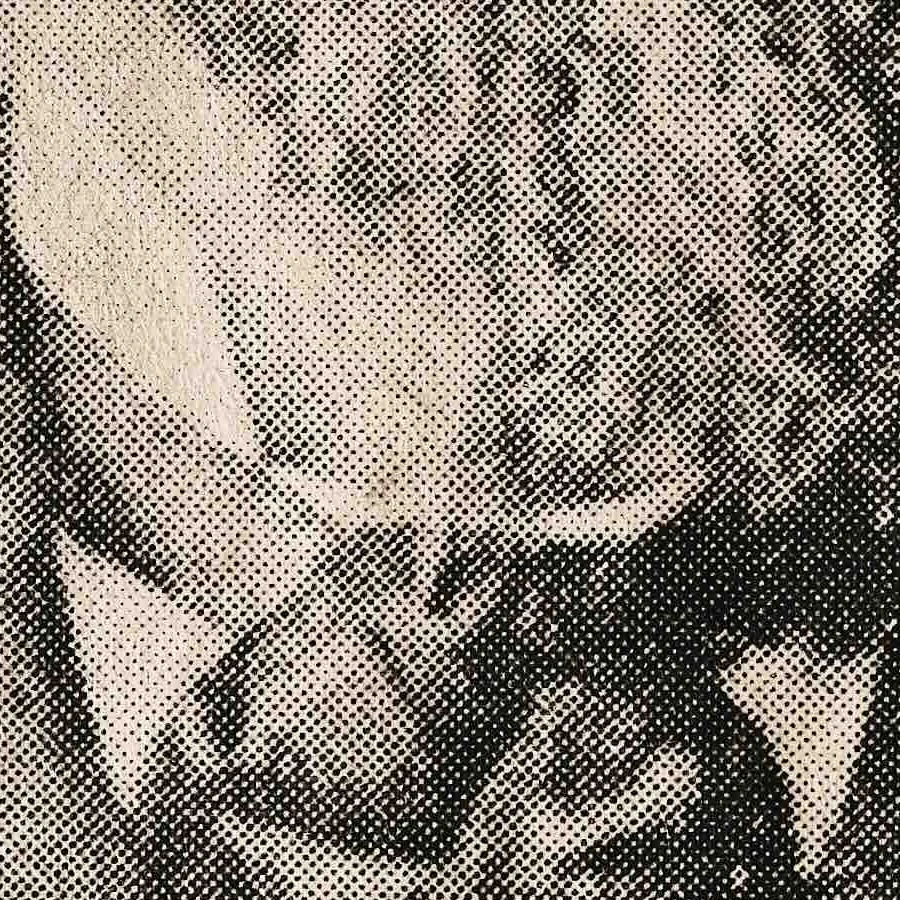
Old newsprint is a material the modern internet keeps trying to imitate and never quite gets right — the halftone dot pattern of an offset press, the way the ink soaks differently into the page where the press ran heavier, the slight yellowing where the paper was folded. We use newsprint as a textural anchor: behind feature copy, on packaging interiors, on the back of member cards, in seasonal mailers.
Where it lives. Behind a Bark scrim, never as the surface a reader is asked to read. The newsprint itself is the story; the words on it are atmosphere.
Detail — look closer
Crop in until you can see the halftone dot pattern itself. The detail here — irregular, mechanical, alive — is the texture we want to honor when newsprint shows up at any scale.
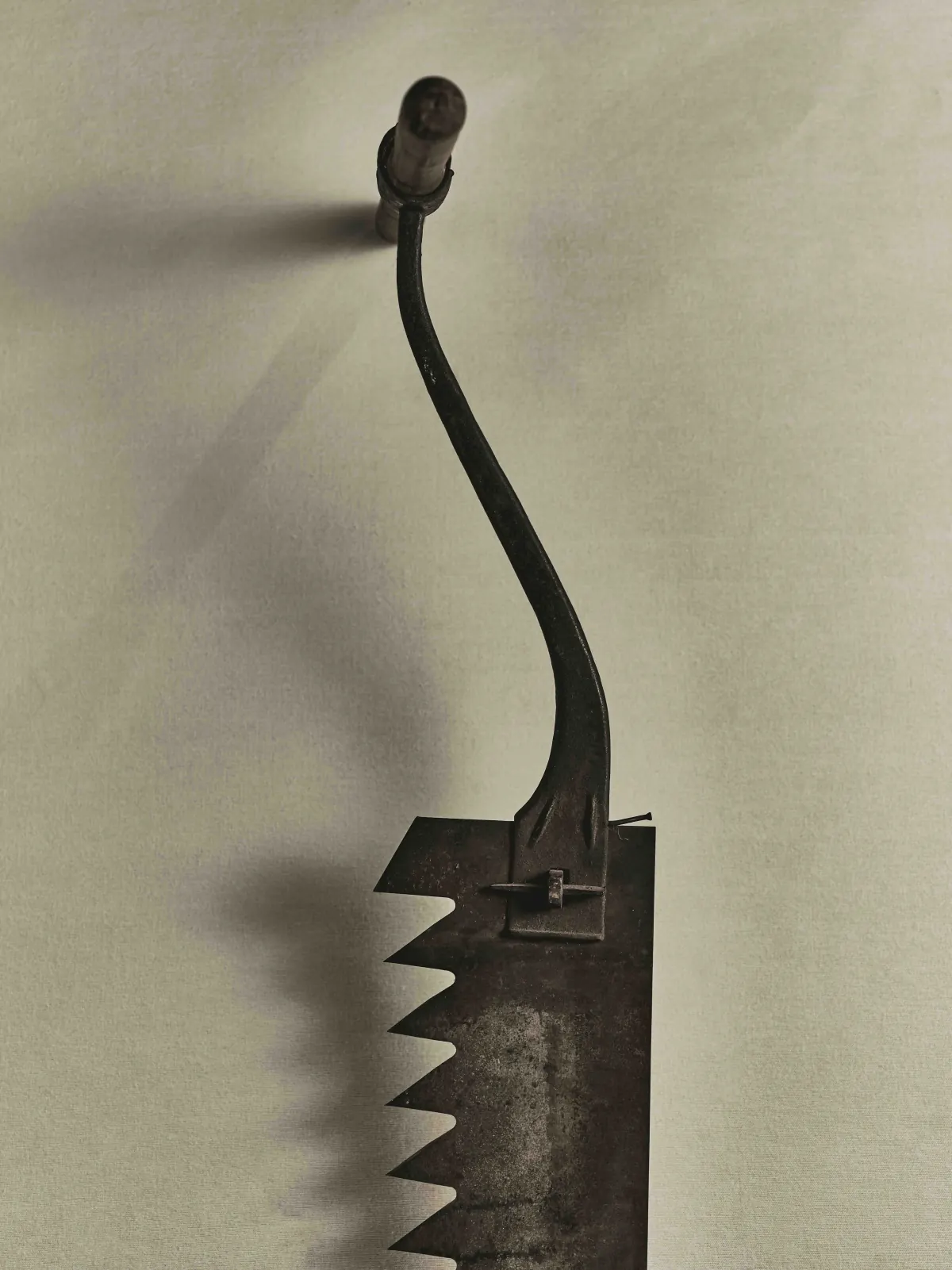
Heritage · 02 — Artifacts
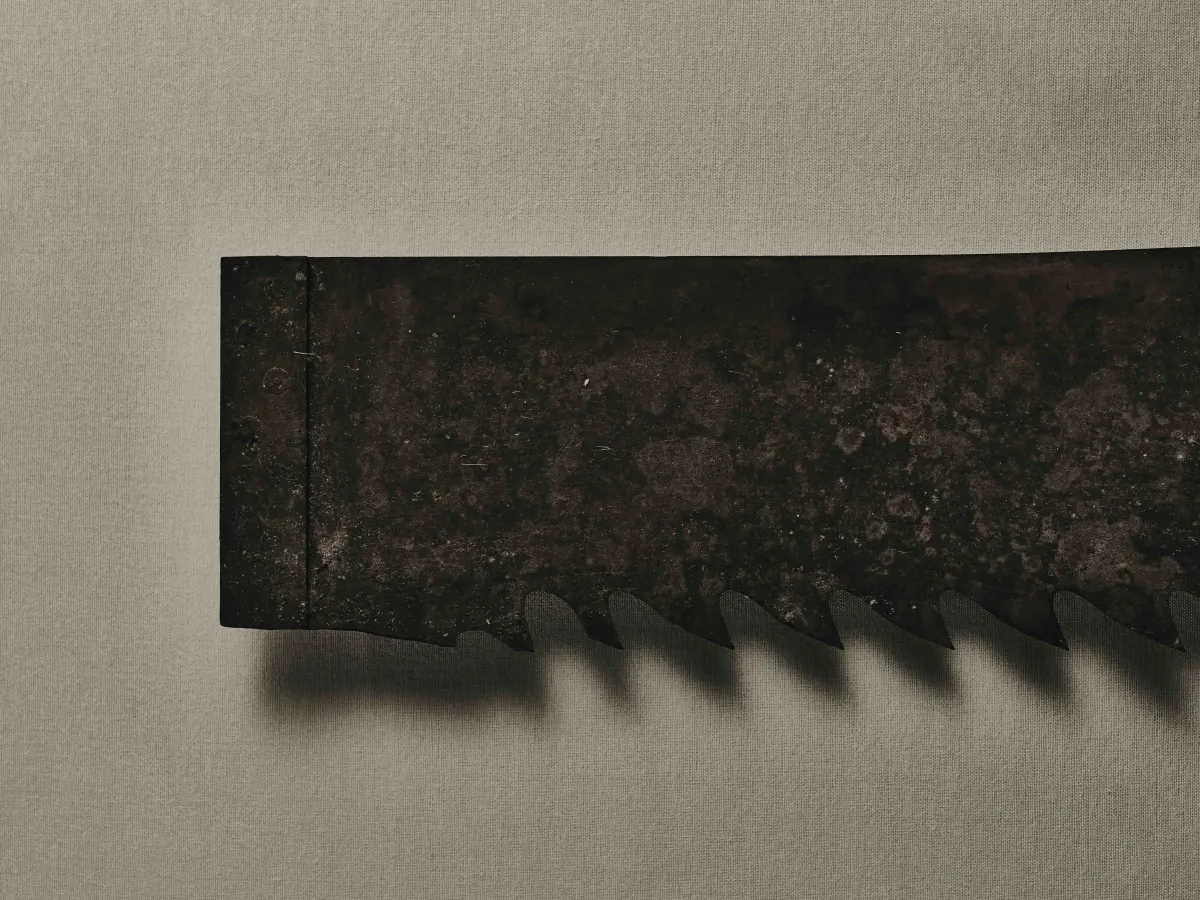
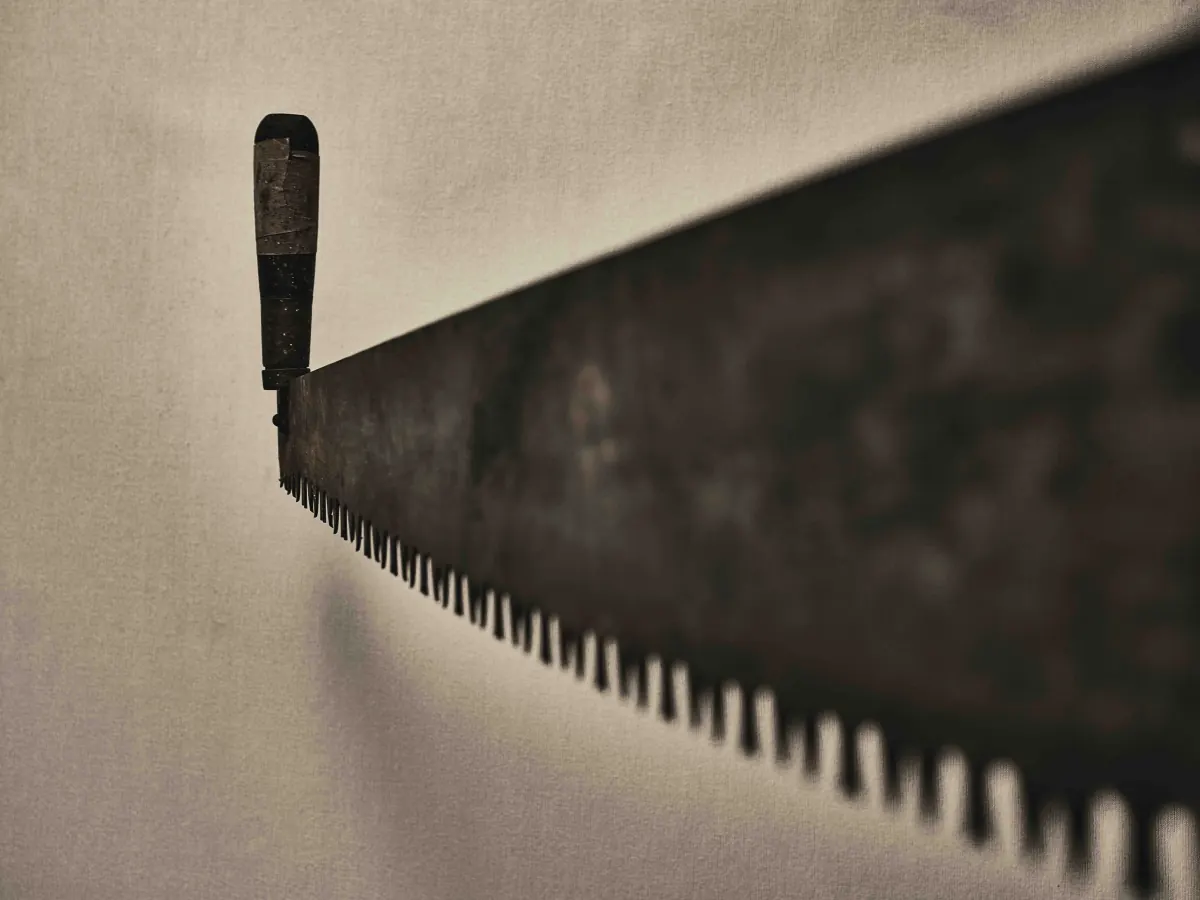
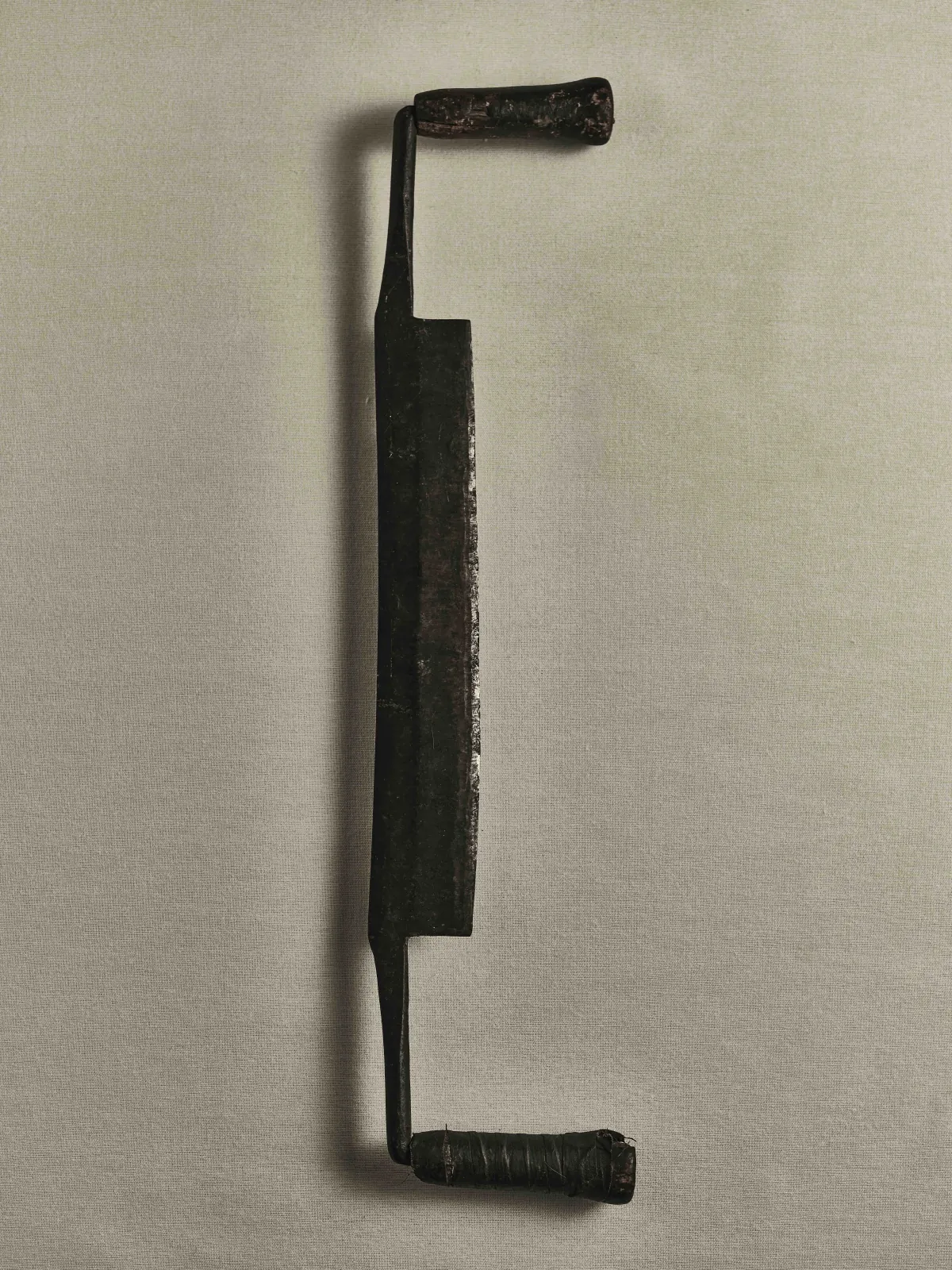
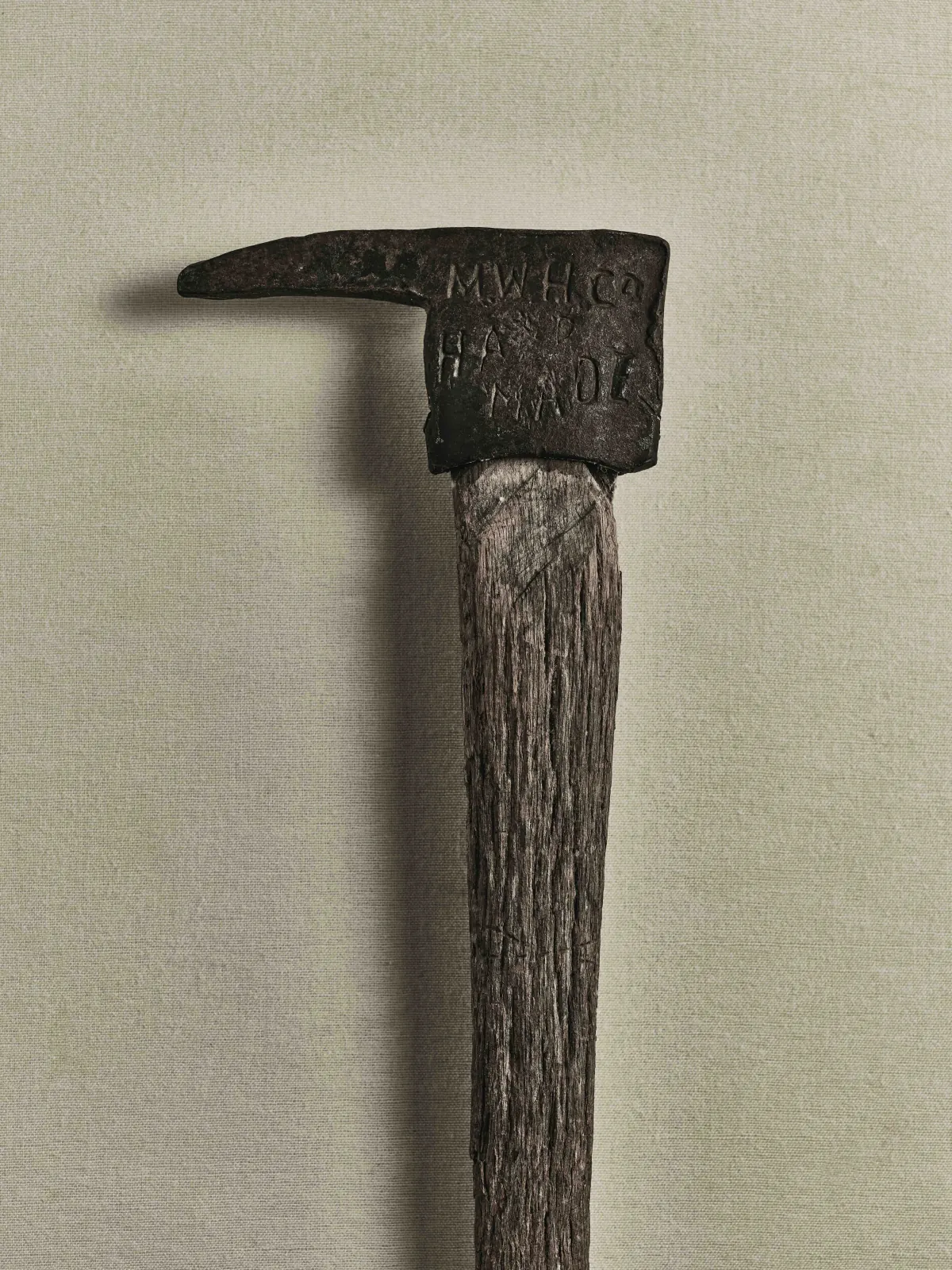
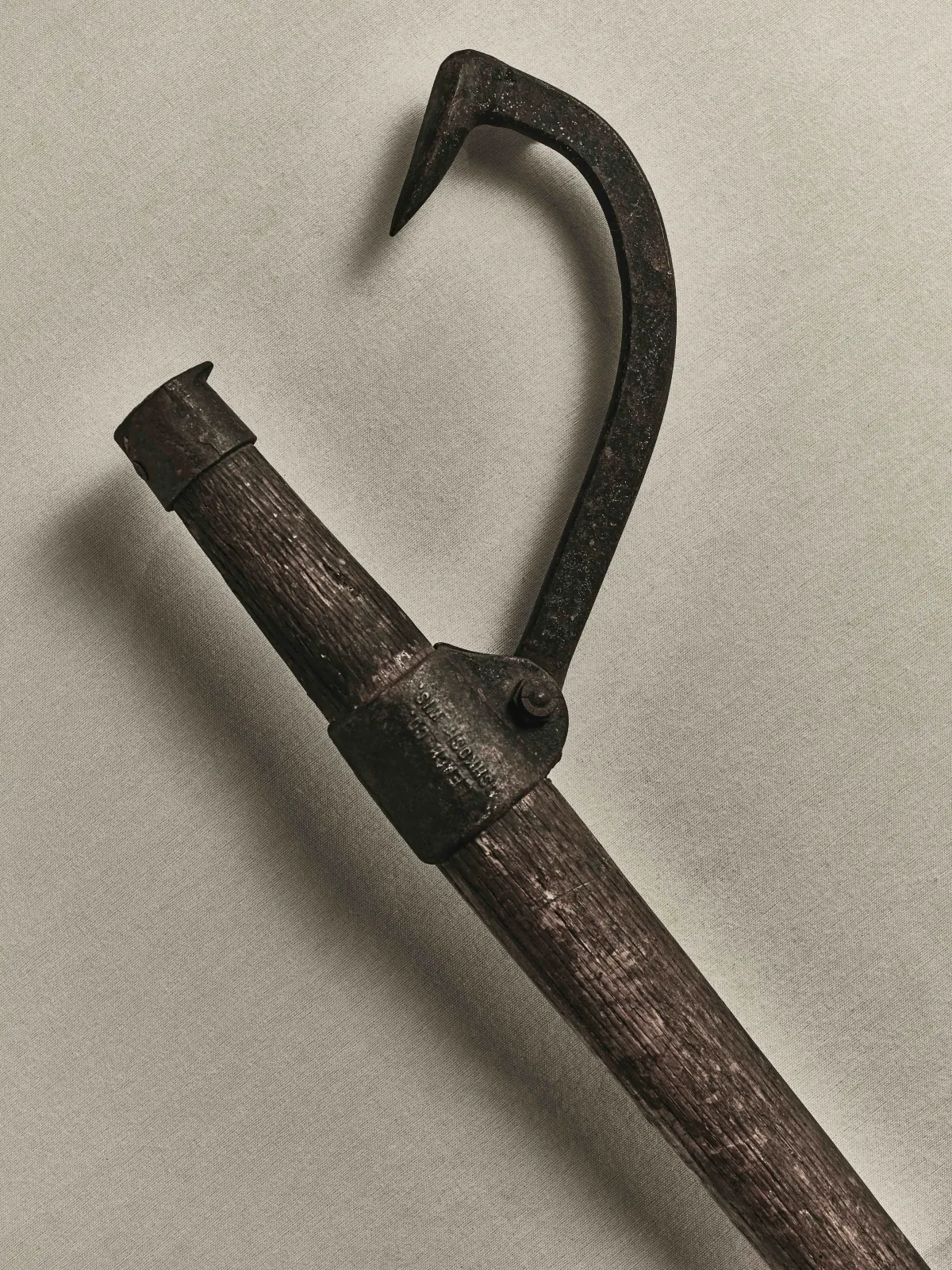
Each object, solo, on its own canvas.
Every artifact in the brand library was shot independently — one object, one canvas backdrop, one light source. The result is a small library of tactile, museum-grade still lifes where you can almost feel the weight of the tool through the screen. Use them one at a time as anchors inside long-form copy, behind founder letters, on member-card backs, or as the hero image of a feature post.
The rule. One artifact per piece. Never a collage. Never as filler. These photographs read as silent and specific; they only work when given room.
Heritage · 03 — Map
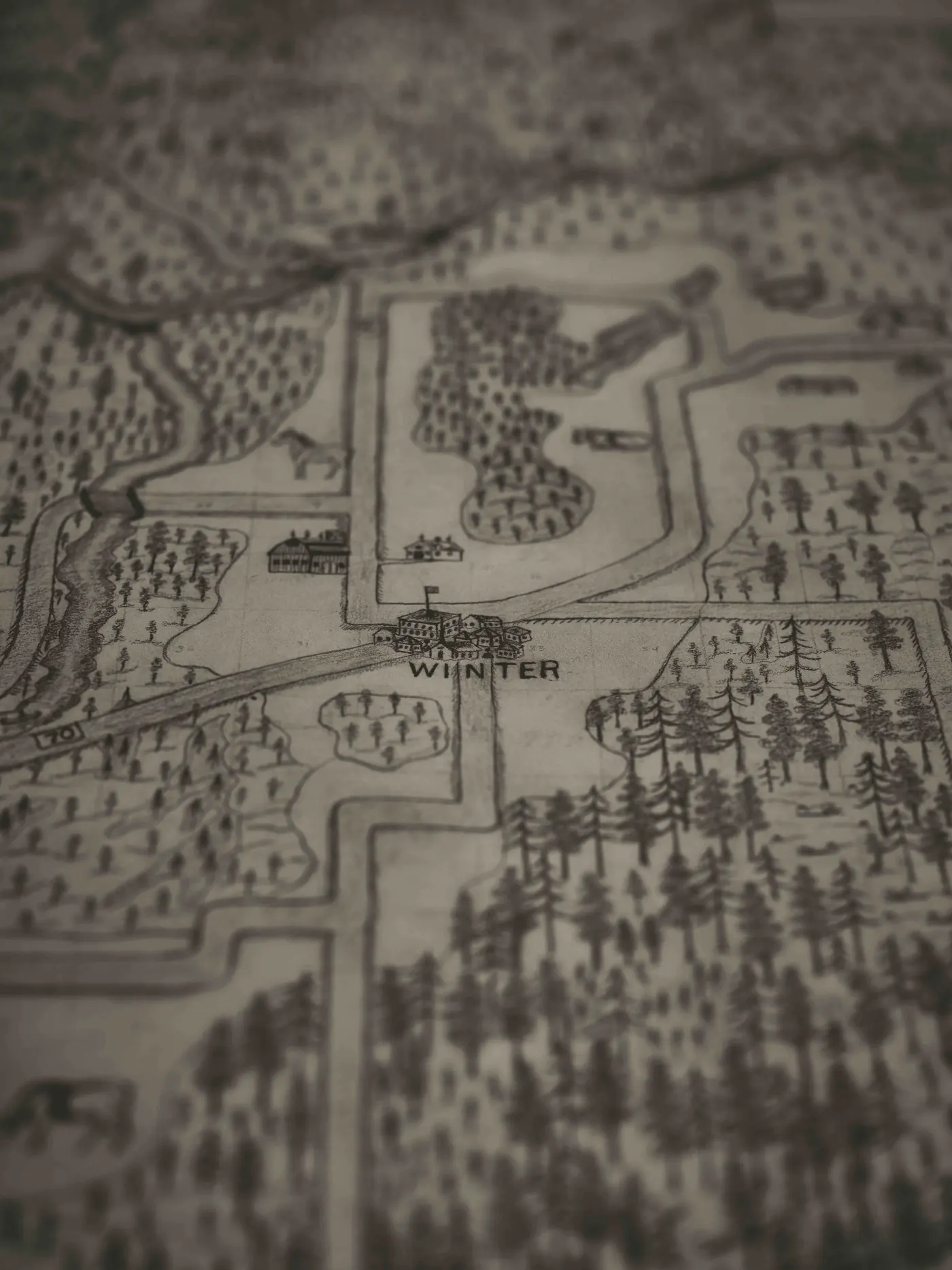
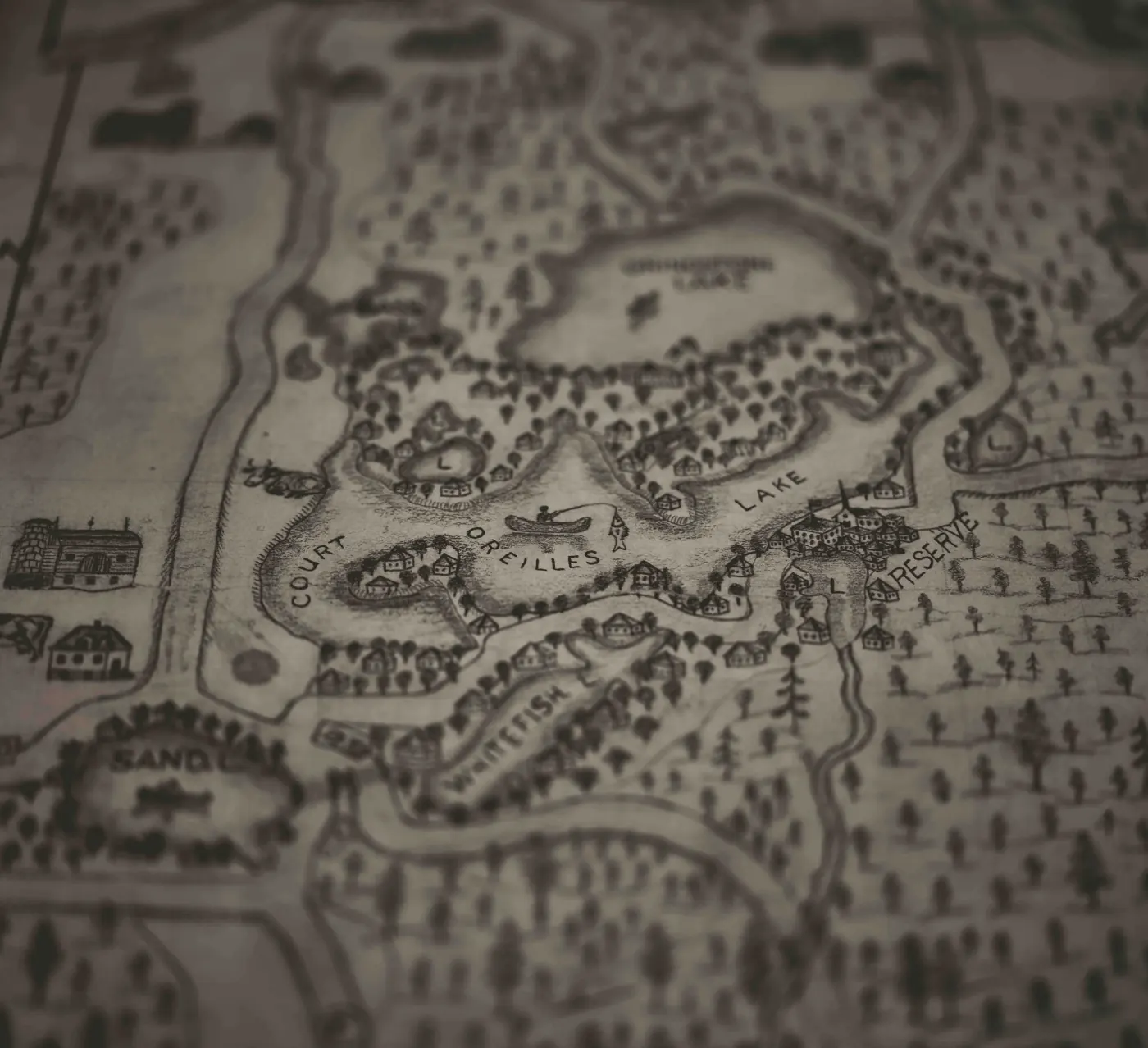
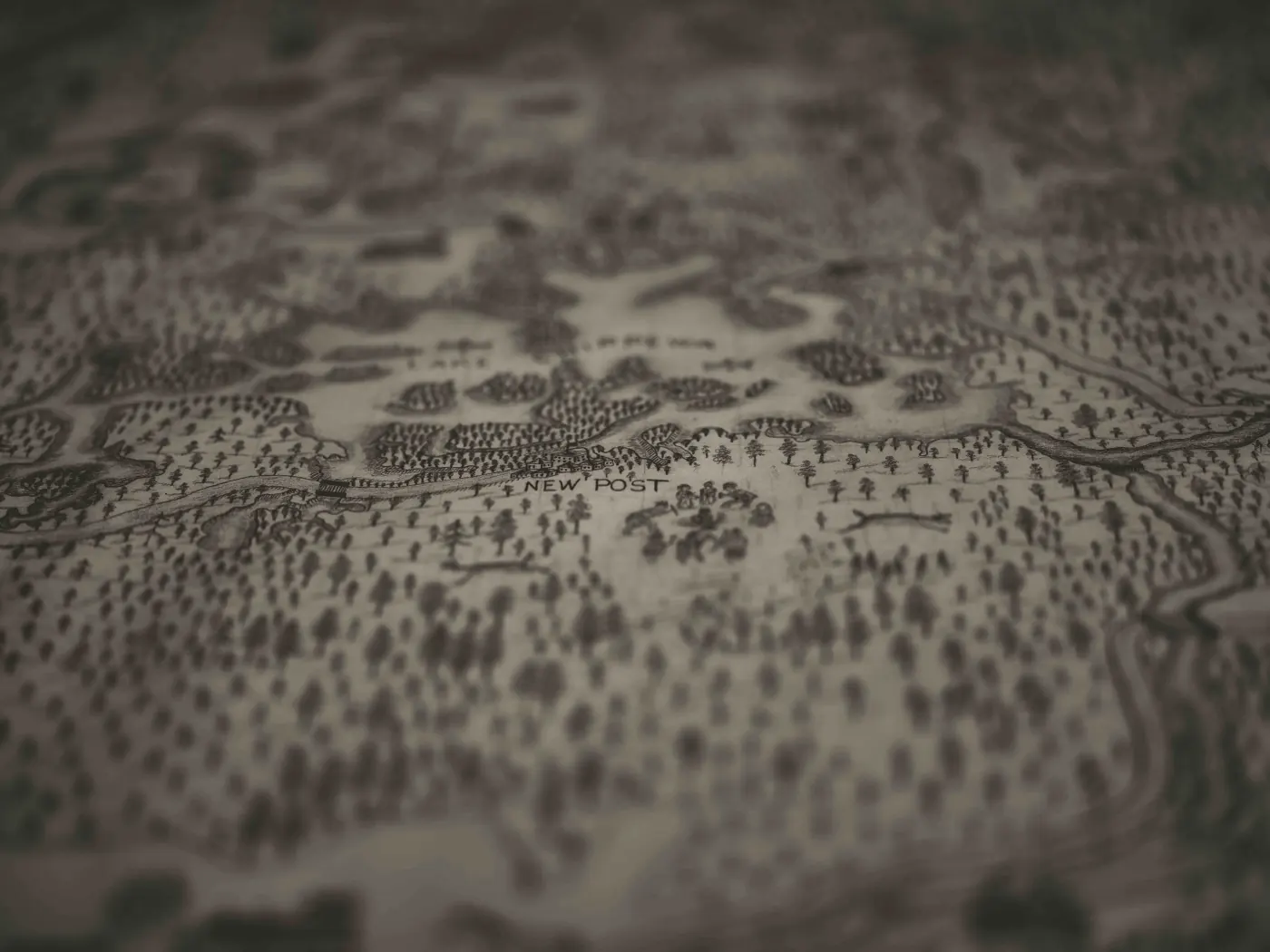
A hundred-year-old map, drawn by hand.
This map of Sawyer County was drawn by a young man more than a hundred years ago, with a pencil, by hand. The diligence of it is the part that stops people short: every shoreline, every road, every parcel boundary measured and noted before printing was an option. We photographed it from several angles — head-on, at a slant to catch the texture of the paper, and close enough to see where the pencil pressed darker as his hand grew steadier.
Use it sparingly. The map is a storytelling element, not a decorative pattern. Reserve it for moments that earn it — founding-member kits, anniversary mailers, deep-dive articles about the region, member-portal landing pages.
What we photograph / what we don’t
Pictures that belong to us.
Do
- +One person, working, in a room with a window.
- +Material truth. A bare bookshelf, an axe, a kettle on a flame, a Tungsten wall mark.
- +The Namekagon at golden hour. The lake at first light.
- +Snow on Main Street with one set of footprints.
Don’t
- —No stock-photo handshakes. No team-of-five grinning at a laptop.
- —No antlers, no taxidermy, no plaid as wallpaper.
- —No drone shots that flatten the place into a postcard.
- —No soft-focus bokeh of fairy lights. Ever.